
Are Habitat Homes for Rent Actually Available?
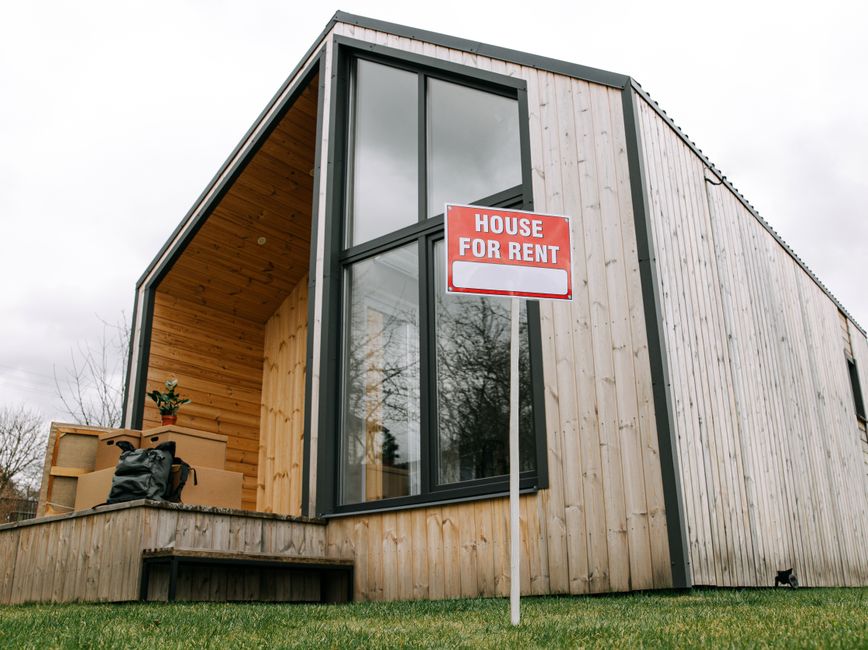
“Habitat homes for rent” can mean two different things: Habitat for Humanity homes, which its standard U.S. program offers to eligible partner families to purchase with an affordable mortgage, or private manufactured-home rentals and rent-to-own listings using “Habitat” in a business or community name. Verify the property owner, local Habitat affiliate, availability, and written lease before paying any application fee.
Does Habitat for Humanity rent homes or do you have to buy one?
Habitat for Humanity’s standard U.S. program is homeownership: eligible future homeowners partner with a local affiliate and pay an affordable mortgage. Habitat says it does not give away houses, and its application pathway is not a general rental program. A rental listing that includes “Habitat” in its name may instead be from an unrelated private owner or manufactured-home community.
Eligibility for Habitat homeownership is not the same as rental screening. Habitat International says applicants must demonstrate a need for affordable housing, willingness to partner with Habitat, and ability to pay an affordable mortgage. Household income must not exceed 60% of area median income, as defined annually by HUD. At closing, the monthly mortgage payment is set not to exceed 30% of the homebuyer’s gross monthly income, according to Habitat’s qualifications information; local affiliates manage applications and selection.
Partnership can involve sweat-equity work, homeowner education, and volunteer work. The state resource directory for Two Rivers Habitat for Humanity in Minnesota also describes partner families completing sweat-equity hours, making a down payment, and attending homeowner education. These are purchase-path details, not proof that a similarly named rental listing is affiliated with Habitat.
Are there Habitat homes for rent near me?
There may be private rentals near you with “Habitat” in a company or community name, but that name alone does not show that Habitat for Humanity owns or manages the home. Start by matching the property address and county to the appropriate owner, manager, or local affiliate, then confirm that the unit is currently available.
For Rochester, Minnesota, Habitat International’s affiliate locator lists Two Rivers Habitat for Humanity as serving the area, with an office at 1530 Greenview Dr. SW and a listed phone number of (507) 252-0849. The Minnesota Department of Human Services directory identifies its service area as Dodge, Olmsted, Steele, Wabasha, and Waseca counties. Contact the affiliate directly to ask whether it is involved with a specific address or has a current homeownership application period. Its directory describes applications as accepted periodically, so availability should be confirmed rather than assumed.
Use this decision table to route the inquiry before you share documents or money:
| What the listing says | Who to contact | What to verify |
|---|---|---|
| Habitat for Humanity home or program near Rochester or Wabasha | The affiliate serving the property’s county | Whether the address, program, and current availability are genuine |
| Rental house advertised by a named landlord or property manager | The owner or property manager, using independently verified contact details | Who owns or manages the property, lease terms, payment recipient, and move-in timing |
| Manufactured home in a community | The home owner or seller and the community management or landlord | Who owns the home, who controls the land, lot-lease terms, and which party collects each payment |
HUD’s manufactured-housing guidance makes the last distinction important: the home and the land may have different owners, and a homeowner in a community may need a lot lease from community management or a landlord. Treat “rent for the home” and “rent for the lot” as separate questions until the written agreement shows who is responsible for each.
Can I rent a Habitat for Humanity house before buying it?
Habitat’s published U.S. program describes a path to buying a home with an affordable mortgage, not a standard rent-before-purchase arrangement. Its application materials say future homeowners partner with local affiliates and volunteers, then pay a mortgage; they do not establish a general Habitat rent-to-own option.
A private listing may still offer rent-to-own terms, but those terms belong to the private owner or company, not automatically to Habitat for Humanity. Before paying, ask for the complete written agreement and identify the owner, monthly rent, any separate purchase payment, whether any payment is credited toward a purchase, and what happens if you do not buy. The provided research sources do not establish standard rent-to-own terms, fees, or protections, so do not assume these details are uniform.
Renting and purchasing also assign costs differently. A rental lease should identify rent, any deposit, utilities, repairs, and other charges; the sources provided do not set universal rental prices or deposit amounts. A Habitat homeowner pays a mortgage and takes on ownership responsibilities under the relevant documents. For a manufactured home, HUD advises checking the home and lot separately, because the home may sit on land the homeowner leases rather than owns.
What is the difference between a Habitat home and a Habitat for Humanity home?
“Habitat home” is an informal phrase; “Habitat for Humanity home” points to a home connected with the nonprofit, but neither phrase by itself proves that a property is available to rent. Habitat for Humanity works on new construction, rehabilitation, and home repairs, and its standard U.S. homeownership program serves partner families who purchase homes with affordable mortgages.
By contrast, a manufactured-home rental or rent-to-own listing may use “Habitat” as part of a private business, community, or property name. That does not establish a connection to the nonprofit. Check the legal owner and manager, then contact the local Habitat affiliate if the ad claims nonprofit involvement. Ask a direct, address-specific question: “Does your affiliate own, manage, or offer this property, and is it currently available?”
Costs should follow the verified arrangement. For a Habitat purchase, the affiliate sets local selection requirements and mortgage details; Habitat’s published affordability standard limits the mortgage payment at closing to 30% of the buyer’s gross monthly income. For a private rental, the lease controls rent, deposits, and maintenance obligations. For manufactured housing, review the home agreement and lot lease separately. The available sources do not provide universal prices, security-deposit amounts, tax or insurance figures, or a standard rental maintenance split, so those must be confirmed in the actual documents.
Frequently Asked Questions
How do Habitat rent-to-own homes work?
Habitat for Humanity’s standard U.S. program is homeownership through an affordable mortgage, not a general rent-to-own rental. A private company or manufactured-home community may offer its own rent-to-own arrangement, so verify the owner, written contract, payment terms, and any purchase conditions before paying.
How can I verify whether a Habitat home rental listing is legitimate?
Identify the legal property owner or property manager and contact them through independently verified contact information. If the listing claims Habitat for Humanity is involved, contact the affiliate serving the property’s county and ask whether it recognizes the address and confirms availability. Review the written lease and do not send application money to an unverified listing.
Do Habitat homes require a credit score, income verification, or a security deposit?
Habitat affiliates manage their own application and selection processes, so local requirements vary. Habitat’s published U.S. criteria include housing need, willingness to partner, and ability to pay an affordable mortgage; the Minnesota directory for Two Rivers also lists steady income, good credit, savings, and household-size income limits. The provided sources do not establish a universal credit-score threshold or security-deposit rule.
Can I rent out a Habitat for Humanity home after I buy it?
The provided sources describe Habitat homes as intended for partner-family homeownership but do not specify a universal rental or subletting rule. Check the mortgage and closing documents and ask the local affiliate about occupancy restrictions before renting the home to someone else.
Sources
- Habitat for Humanity International — Qualifications for a Habitat homeowner
- Habitat for Humanity International — Apply for a Habitat house
- Minnesota Department of Human Services — Two Rivers Habitat for Humanity
- Habitat for Humanity International — Where We Build: Local Affiliate Search
- Habitat for Humanity International — Common questions about Habitat for Humanity
- U.S. Department of Housing and Urban Development — Housing Counseling: Manufactured Housing Quick Tips
Disclaimer: This article is for general information only and is not financial advice. It does not take your personal circumstances into account, and past performance does not predict future results. Speak to a licensed financial professional before making money decisions.
You may also like

How Should Relocating Families Shortlist Riyadh Compounds?
A practical Riyadh compound shortlist for families, built around commutes, school access, costs, home fit, and written service inclusions.
How Do I Evaluate a Senior Apartment Before Signing a Lease?
A practical guide to checking senior apartment accessibility, fall safety, emergency planning, and support needs before signing a lease.
How Do I End or Avoid Renewing an Ejar Lease in Riyadh?
A practical guide to Ejar registration, automatic renewal, notice timing, mutual termination, and early move-outs in Riyadh.